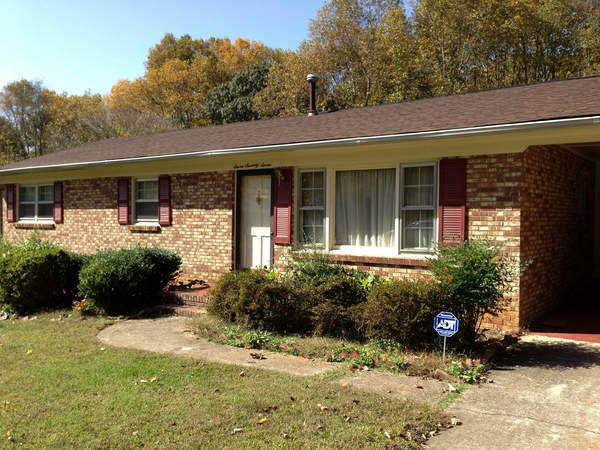
Cracks in a home’s foundation or walls may seem minor at first glance, but beneath the surface, they can signal deeper structural issues. For homeowners and potential property buyers, understanding the implications of these seemingly minor imperfections is crucial. The presence of cracks can impact the longevity, value, and safety of a property, underscoring the importance of professional home inspections.
Identifying the Signs of Structural Issues
Cracks can appear in various parts of a home, including walls, ceilings, and foundations. While hairline cracks are often harmless, larger cracks or those that change shape over time may indicate serious structural problems. Professional inspectors often use tools such as crack monitors and laser levels to assess the severity of these issues.
- Horizontal Cracks: Often found in basement walls, these may suggest pressure from soil expansion.
- Vertical Cracks: Commonly found in walls, they might be caused by settling and can sometimes be benign.
- Diagonal Cracks: Frequently seen around windows and doors, they may indicate foundation movement.
It is essential for homeowners to regularly check these areas and seek professional advice when in doubt. Ignoring these signs can lead to costly repairs, reduced property value, and potential safety hazards.
Industry Standards for Evaluating Cracks
In the inspection industry, there are guidelines and standards that professionals follow to evaluate the significance of cracks. According to common industry practices, cracks wider than 1/4 inch may warrant further investigation. Inspectors might also assess the crack’s location, pattern, and any associated moisture issues. Following these standards ensures a comprehensive evaluation, helping homeowners make informed decisions.
Proactive Measures for Homeowners
To mitigate the risks associated with structural cracks, homeowners can take several proactive steps:
- Conduct regular visual inspections of the property’s foundation, walls, and ceilings.
- Maintain proper drainage systems to prevent water accumulation around the foundation.
- Ensure that gutters and downspouts direct water away from the home.
- Consult with a professional inspector for a detailed assessment if any concerning cracks are found.
These practices not only safeguard the property but also provide peace of mind to homeowners and buyers alike.
In conclusion, minor cracks should never be overlooked, as they can lead to significant structural issues. By understanding their implications and taking preventative measures, property owners can protect their real estate investments. Engaging professional home inspection services is a wise step in safeguarding one’s property from unforeseen complications.